Vietnam’s history is characterized by its long struggle for independence and resilience against foreign domination. It was under Chinese rule for over a millennium until gaining independence in the 10th century. In the 19th century, Vietnam became a French colony known as French Indochina, which led to significant cultural and political changes. The country was later divided during the Vietnam War (1955-1975) between communist North Vietnam and anti-communist South Vietnam. The war ended with the reunification of Vietnam under communist rule in 1975. Since then, Vietnam has undergone rapid economic growth, transitioning from a centrally planned economy to a socialist-oriented market economy.
Geography
Ancient history and settlement.
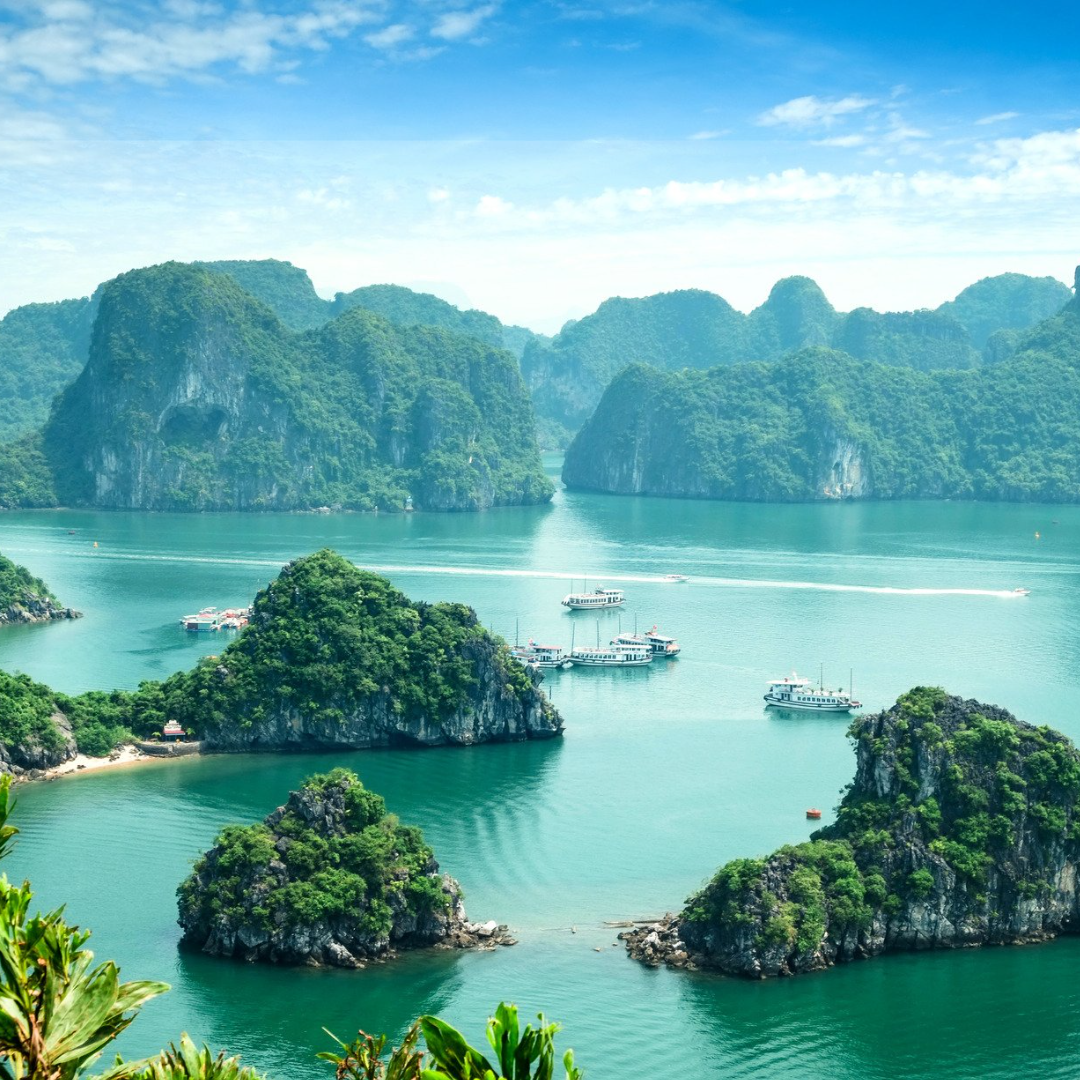
Vietnam is located on the eastern coast of the Indochinese Peninsula in Southeast Asia. It shares borders with China to the north, Laos and Cambodia to the west, and has a long coastline along the South China Sea to the east. The country’s geography is diverse, ranging from fertile deltas and river valleys (such as the Red River Delta and the Mekong Delta) to rugged mountain ranges in the north and central highlands. The Red River and Mekong River are vital to Vietnam’s agriculture and transportation. The country’s tropical climate supports a rich biodiversity and diverse ecosystems.